
Empty and Derelict Buildings
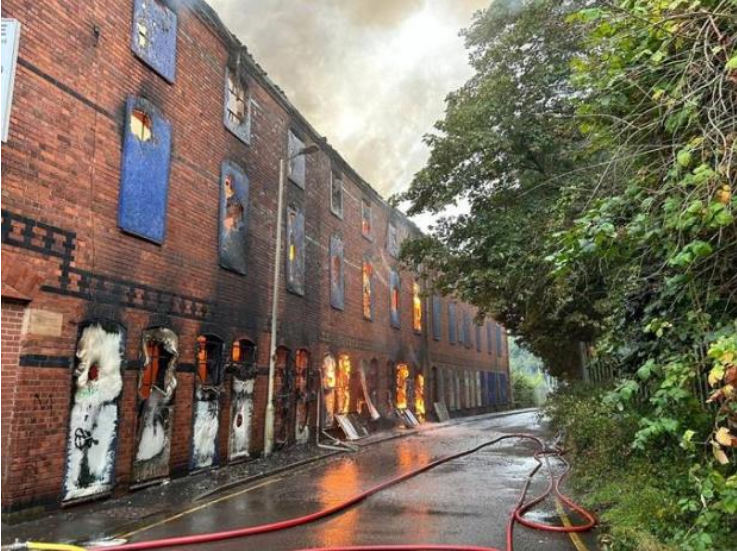
Derelict or empty buildings can be a cause of concern, being targets for vandalism, anti-social behaviour and arson. Although the building may not be occupied, the building owner or responsible person has a duty of care to ensure the safety of others.
Fire Risks in Unoccupied Properties
Across the United Kingdom, thousands of unoccupied buildings experience fire damage each year. Vacant premises present unique and heightened fire risks, largely because the absence of day‑to‑day activity, routine checks and an on‑site presence allows hazards to go unnoticed and escalate quickly.
Fires in these kinds of premises pose additional risks to responding Fire Crews as well the communities in which they are located:
- Often empty or derelict premises are run-down
- May be structurally defective – risks around collapse, sharp objects, being enclosed areas
- Become places which contain high levels of discarded (combustible) illegal waste
- Places used by drug users and paraphernalia (needles/biohazards)
- Unknown as to whether persons may be rough sleeping on the premises
Antisocial Behaviour and Unauthorised Entry
Empty properties frequently attract antisocial behaviour, including vandalism, trespassing, and attempts at illegal occupation. Individuals who enter these buildings may introduce combustible materials, damage fire safety equipment, or otherwise increase the likelihood and severity of a fire.
A major concern is arson. Offenders often view vacant buildings as “less harmful” targets compared to occupied premises.
Additionally, empty buildings can be seen as a refuge for rough sleepers – where this is identified, help can be provided though local Policing teams, the Local Authority (Worcestershire/Herefordshire) or through organisations like Streetlink.
While it is impossible to completely predict arson attempts, having due consideration around fire safety measures can significantly reduce risk to fires occurring, subsequent fire service response and potential impact on premises in the vicinity. Taking reasonable precautions helps ensure that in the event of an incident, insurance claims are more likely to be upheld.
Pest-Related Fire Hazards
Unoccupied buildings are also at higher risk from pest activity. Without occupants on site, infestations can develop unnoticed. Rodents, in particular, may chew through wiring or insulation, leading to faults that can result in electrical fires.
Practical ways to reduce fire risks in empty premises
- Consider installing security systems such as CCTV, security alarms and lighting
- Conduct regular visits and assess the risks associated with combustibles, wherever possible reducing ignition sources
- Keep entry points to the buildings secure, including sheds or garages, perimeter walls, fencing and gates
- Board up and secure unused or derelict buildings
- Prevent intruders and trespassing by making sure perimeters and buildings are well maintained and any damage is repaired as soon as possible
- Keep any flammable substances stored safely and securely, not left in the open
- Consider fitting a protective anti-arson letterbox
Why This Matters for HWFRS
Recognising the increased vulnerabilities of empty properties allows Hereford & Worcester Fire and Rescue Service to:
- Support property owners and responsible persons with targeted fire safety advice.
- Encourage preventative measures that reduce operational demand and community risk.
- Highlight the importance of regular inspections, physical security, and the upkeep of fire protection systems in all unoccupied premises.
- Reduce the potential for Arson and subsequent Fire Service operational response