Farm Fire Safety
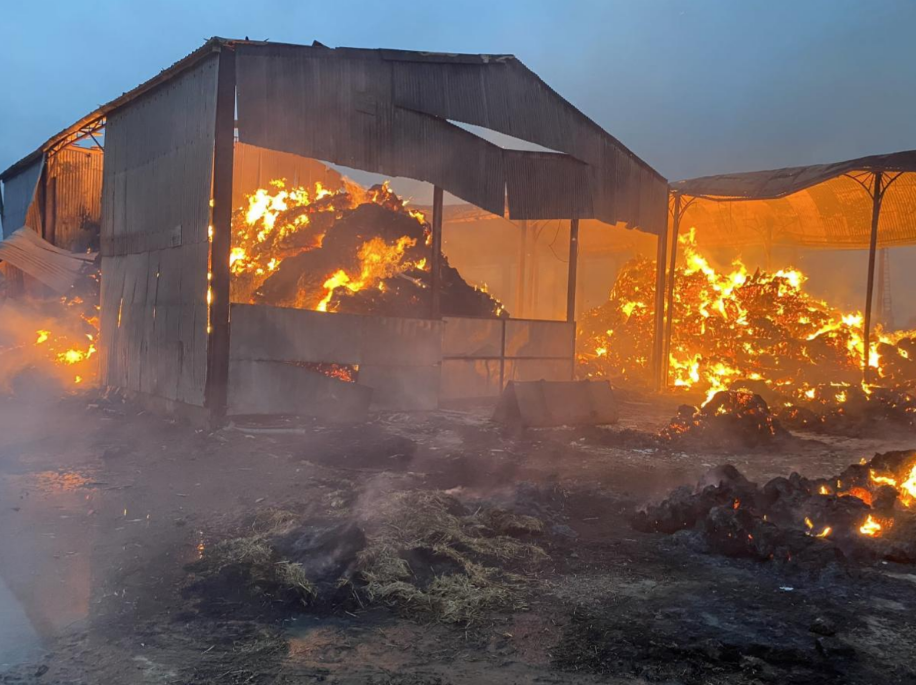
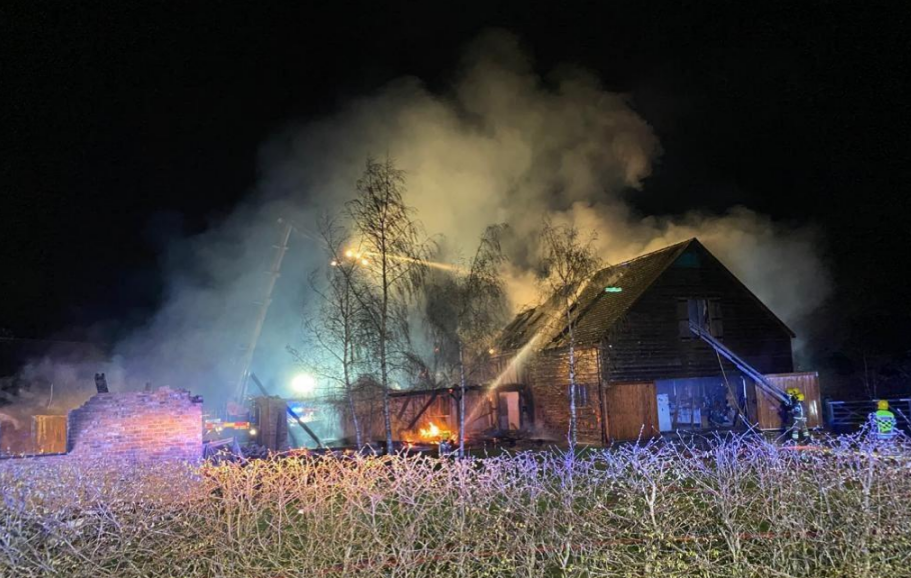
As the owner, landlord or occupier of a farm, you are responsible for ensuring fire risks are reduced where they may affect relevant persons and businesses. Herefordshire and Worcestershire have a proud agricultural history and contributed to the largest crop output within the West Midlands in 2022, totalling £696 million. However, farm fires can be devastating, resulting in damage and loss of livestock, feed, hay and straw, buildings and expensive agricultural machinery. Additionally, farm fires can last for days or even weeks.
Hazards to be aware of include:
- High levels of combustible materials, like hay and straw
- Bonfires too close to barns, not accounting for wind changes
- Hot, dry weather increasing the risk of wildfires and stubble fire spreading across farmland and buildings
- Poor water supplies for the fire service
- Poorly maintained electrics/machinery
- Pesticides involved in fire
- Large quantities of fertiliser like Ammonium Nitrate – You must notify us of dangerous quantities under NAMOS regulations
What can I do to reduce the risks around fire?
Conduct a Fire Risk Assessment to identify your fire risks and how you can reduce these – this is a legal duty – a helpful government guide is the risk assessment for animals premises and stables
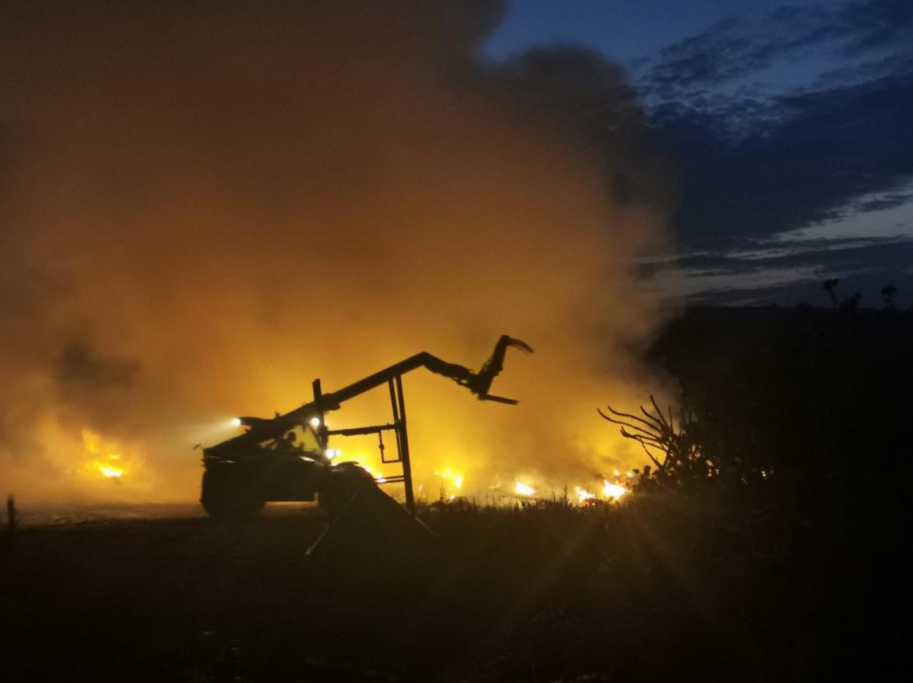
- Ensure machinery is well maintained and serviced regularly – clean machinery regularly to keep it free from hay, straw, oil and grease. Vehicles – including cars and vans – that are not well maintained are at a higher risk of fire.
- Remove hay and straw from fields as soon as possible after harvesting. Ensure it is dry before storing, to prevent spontaneous combustion – many fires are caused by storing damp or wet hay.
- Fires can very easily spread. Store hay and straw away from other buildings – especially those containing fuels or chemicals, and separate from livestock.
- Store hay and straw in stacks at least 10 metres apart and ensure there is sufficient space between the top of the stack and electrical roof lighting.
- Ensure any fuels, chemicals and hazardous materials are stored securely and clearly labelled. They should be stored well away from other buildings. Only store what you need.
- Only carry out hot work, such as welding or grinding, in clear areas well away from any flammable substances and buildings used to store hay/straw.
- Carry out regular electrical safety checks, especially in areas where straw or hay is stored. Never leave anything running or switched on unnecessarily.
- Cigarettes and smoking pose a fire risk – make sure you have designated areas for smoking away from combustible materials and ensure cigarettes and matches are extinguished properly.
- Avoid open fires and barbecues and only allow camping and picnicking in controlled areas.
- Make sure you have completed your COSHH (Control of Substances Hazardous to Health Regulations) assessment. For further information, read the Government’s advice around COSHH in agriculture.